
Best Home Theater System: The Ultimate Guide to Creating a Cinema Experience at Home
Introduction to Home Theater Systems
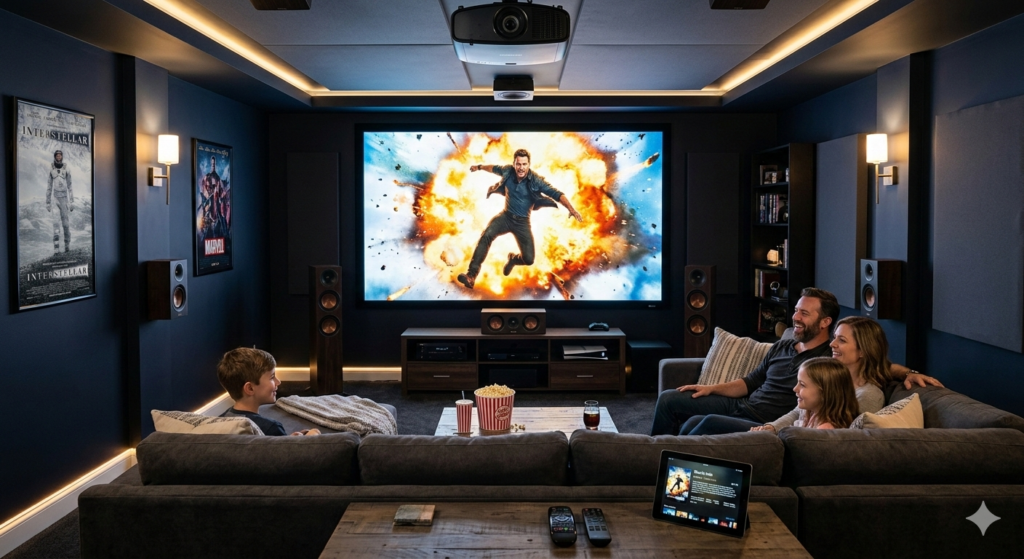
Watching movies, sports, or gaming on a regular television can be enjoyable, but a home theater system takes the entertainment experience to a completely different level. A home theater setup recreates the immersive feeling of a movie theater right in your living room. With powerful surround sound, high-resolution visuals, and comfortable seating, a home theater allows you to enjoy your favorite content with cinematic quality.
In recent years, home theater systems have become more affordable and advanced. Modern systems offer wireless connectivity, smart features, high-definition audio formats, and compact designs that easily fit into modern homes. Whether you are a movie lover, a sports enthusiast, or a gaming fan, investing in the best home theater system can transform your home entertainment setup.
This guide explains everything you need to know about choosing the best home theater system, including types, features, benefits, and tips for selecting the right one for your home.
What is a Home Theater System?
A home theater system is a combination of audio and video equipment designed to replicate the experience of watching movies in a cinema. It typically includes:
- High-quality speakers
- A subwoofer for deep bass
- An AV receiver or sound processor
- A television or projector
- Streaming devices or media players
The primary purpose of a home theater system is to provide surround sound audio and immersive visuals that make viewers feel like they are part of the action.
Benefits of Having a Home Theater System
Immersive Audio Experience
One of the biggest advantages of a home theater system is its surround sound capability. Multiple speakers placed around the room create a three-dimensional sound effect, making explosions, dialogues, and background music feel realistic.
Cinematic Experience at Home
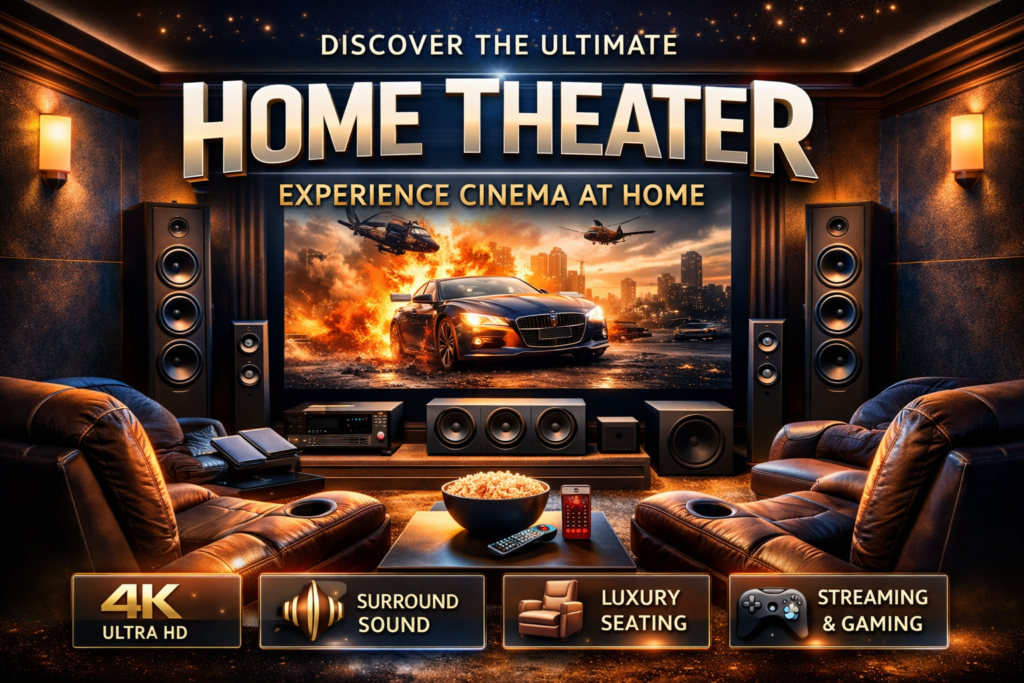
With a home theater system, you can enjoy the feeling of watching movies in a cinema without leaving your house. The combination of large screens and powerful audio creates a true theater-like atmosphere.
Perfect for Gaming
Gamers benefit greatly from home theater systems. Surround sound allows players to hear footsteps, movement, and environmental sounds more clearly, making gameplay more immersive and competitive.
Ideal for Family Entertainment
A home theater setup becomes the center of family entertainment. Watching movies, TV shows, sports matches, or streaming content together becomes more enjoyable.
Increased Home Value
A well-designed home theater system can also increase the value and appeal of your home, especially if it is installed professionally.
Types of Home Theater Systems
Soundbar Home Theater Systems
Soundbars are compact and easy-to-install home theater systems. They combine multiple speakers in a single unit and often include a wireless subwoofer. Soundbars are ideal for small rooms and users who want a simple setup.
2.1 Channel Home Theater
A 2.1 channel system includes two speakers and one subwoofer. It offers better sound quality than a TV’s built-in speakers and is suitable for casual movie watching.
5.1 Channel Home Theater
The 5.1 channel system is one of the most popular home theater configurations. It includes:
- 5 speakers (front left, front right, center, rear left, rear right)
- 1 subwoofer
This setup creates true surround sound and is perfect for movie enthusiasts.
7.1 Channel Home Theater
A 7.1 channel system adds two additional rear speakers to the 5.1 setup. This provides an even more immersive audio experience, especially for large rooms.
Wireless Home Theater Systems
Wireless systems eliminate the need for complex wiring. Speakers connect through Bluetooth or Wi-Fi, making installation easier and cleaner.
Important Features to Consider When Buying a Home Theater
Sound Quality
Sound quality is the most important factor. Look for systems with Dolby Audio, DTS, or Dolby Atmos support for immersive surround sound.
Power Output
Power output is measured in watts. Higher wattage generally means louder and more powerful sound. For medium-sized rooms, a system between 300W and 1000W works well.
Connectivity Options
Modern home theater systems come with multiple connectivity options such as:
- HDMI ARC
- Bluetooth
- Wi-Fi
- USB ports
- Optical input
These options allow you to connect TVs, smartphones, laptops, and streaming devices easily.
Smart Features
Many modern systems include smart features such as voice control, streaming apps, and wireless connectivity. These features make the system more convenient to use.
Design and Size
Choose a home theater system that fits well with your room layout. Compact designs are ideal for small spaces, while larger systems work best in dedicated media rooms.
How to Choose the Best Home Theater System
Consider Your Room Size
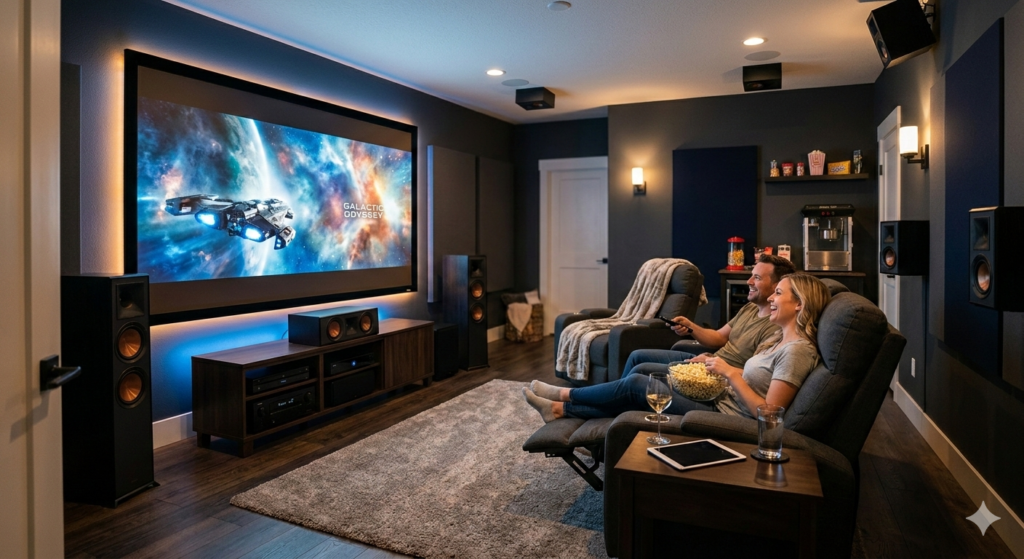
Room size plays a major role in selecting the right system. Small rooms may only need a soundbar or 2.1 system, while large rooms benefit from 5.1 or 7.1 setups.
Check Compatibility with Your TV
Ensure that the home theater system is compatible with your television and supports the required connectivity options.
Set a Budget
Home theater systems are available in different price ranges. Setting a budget helps narrow down the best options without overspending.
Look for Brand Reliability
Choosing a trusted brand ensures better build quality, sound performance, and after-sales support.
Read Reviews and Ratings
Before buying, check customer reviews and ratings to understand the performance and reliability of the product.
Tips for Setting Up a Home Theater System
Speaker Placement
Proper speaker placement is essential for achieving the best surround sound experience. Front speakers should be placed near the TV, while rear speakers should be positioned behind the seating area.
Use Quality Cables
High-quality HDMI and audio cables ensure better signal transmission and improved performance.
Adjust Sound Settings
Most home theater systems allow users to customize sound settings. Adjust bass, treble, and surround levels according to your preference.
Optimize Room Acoustics
Curtains, carpets, and wall panels can help reduce sound reflections and improve audio quality.
Maintenance Tips for Home Theater Systems
- Keep speakers clean and dust-free
- Avoid placing speakers near heat or moisture
- Use surge protectors to prevent electrical damage
- Update firmware if your system supports smart features
Proper maintenance ensures long-lasting performance and better sound quality.
Future Trends in Home Theater Technology
Home theater technology continues to evolve rapidly. Some upcoming trends include:
- Dolby Atmos surround sound systems
- Wireless multi-room audio
- AI-powered sound optimization
- Smart home integration
- Ultra high-definition video support
These innovations will make home theater systems even more powerful and convenient in the future.
Conclusion
A home theater system is one of the best upgrades you can make for your home entertainment setup. It delivers powerful surround sound, cinematic visuals, and an immersive experience that regular TVs cannot provide. Whether you enjoy movies, gaming, or music, the right home theater system can completely transform the way you experience entertainment.
When choosing the best home theater, consider factors such as sound quality, room size, connectivity options, and budget. With the right setup and proper speaker placement, you can create a theater-like atmosphere in your own home.
Investing in a high-quality home theater system ensures endless entertainment for you and your family while bringing the magic of the cinema directly into your living room.